Evolve, transform, innovate.
We do this on an ongoing basis to respond to changes in global scenarios and markets and to build a steel industry that is increasingly efficient, resilient, and low-impact.
In our plants, we produce more than 2.5 million tonnes of steel each year, which is used worldwide to build infrastructure, buildings and production systems.
But the value we generate is not measured only in volumes. It comes from the daily commitment of our more than 2,000 people and from the ability to translate strategic choices, principles, technology and skills into concrete solutions for the market, the environment and communities.
This is how we contribute to building the future of the steel industry: a more efficient, circular and sustainable future, in which steel continues to be an essential material for development and a concrete lever for transformation.
Our business model
Our business model combines industrial expertise, control of the value chain and proximity to markets.
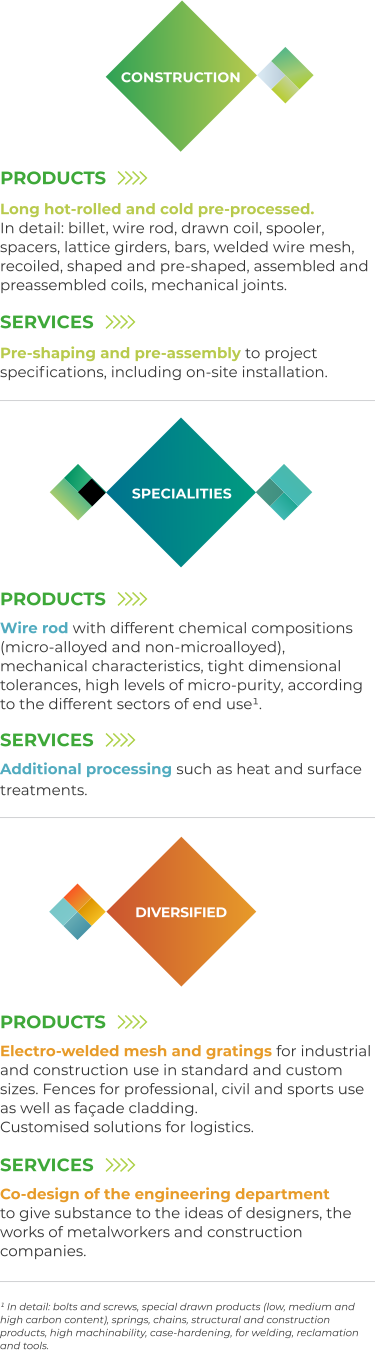
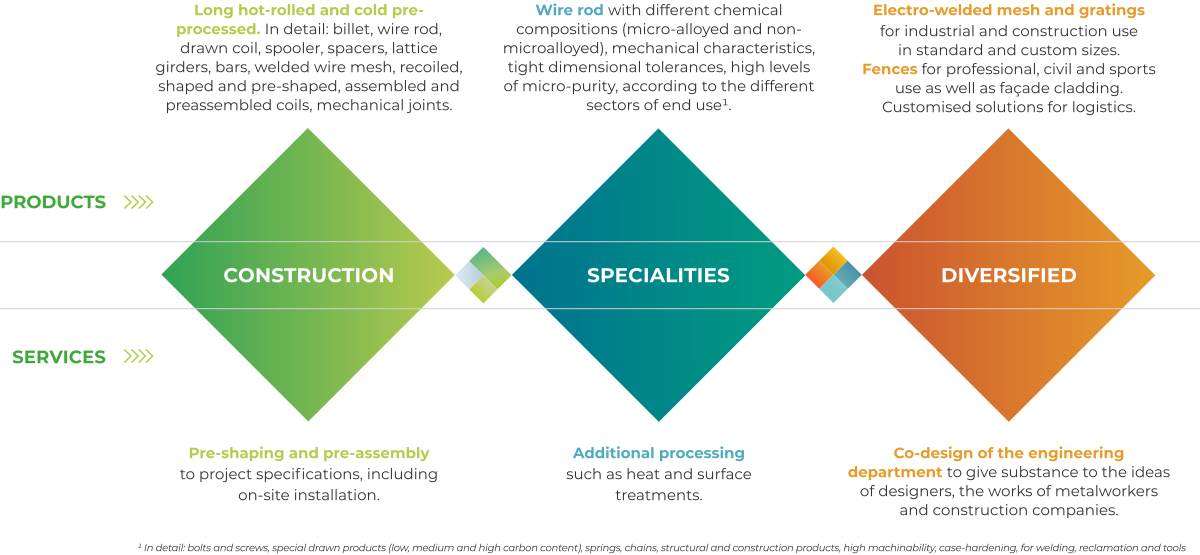
We operate through specialised business units: we produce construction steels, special steels, and diversified products, but we are also engaged in the production of energy from renewable sources for self-consumption.
This structure allows us to combine a broad product range, quality workmanship, production flexibility and proximity to customers.
We invest in innovation, verticalisation, circularity and a mix of solutions to use increasingly green energy in order to strengthen the Group's competitiveness and progressively reduce its environmental impact.
This is how we integrate industry, service and sustainability, contributing to the evolution of the steel industry.
An integrated industrial model
Immagine
Immagine
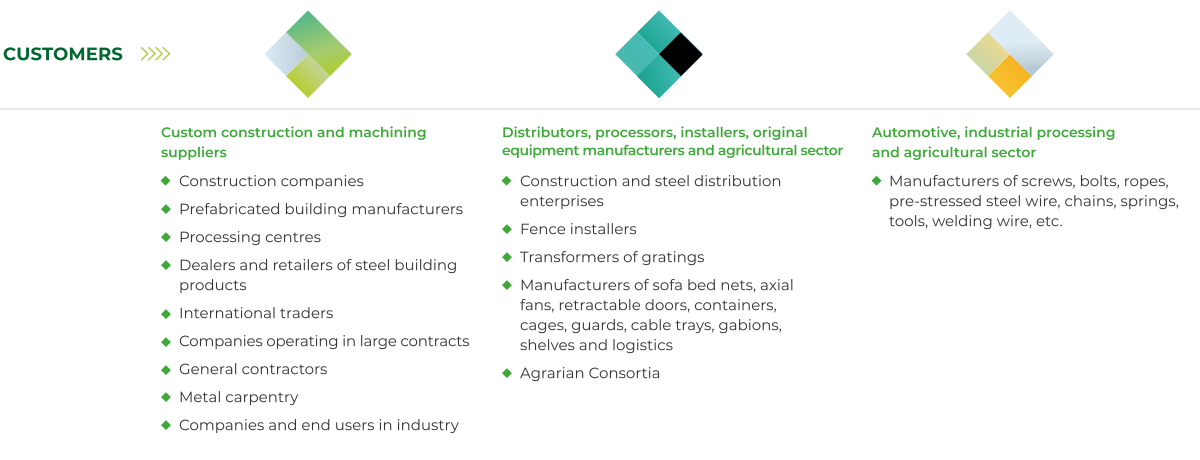
The value we generate and distribute
Every stage of our production generates value: for those who work with us, for the territories in which we are present, for the environment we want to protect.
This is how we build a tangible, shared and lasting impact.
Sustainability as a fundamental dimension of business and supply chain responsibility
For us, sustainability means doing business while keeping growth, responsibility and the future together.
It is not a separate issue from the business: it is part of industrial choices, investments, production processes, energy management and the relationship with people, the regions and the supply chain.
Our strategy is developed through seven pillars and measurable ESG objectives set out in a Scorecard. This is how we guide the business plan, reduce impacts and promote more sustainable practices, including along the value chain, engaging suppliers, customers and communities.
We create value when we improve what we do and also help improve the system of which we are a part.
The strategic levers of our business plan
Immagine
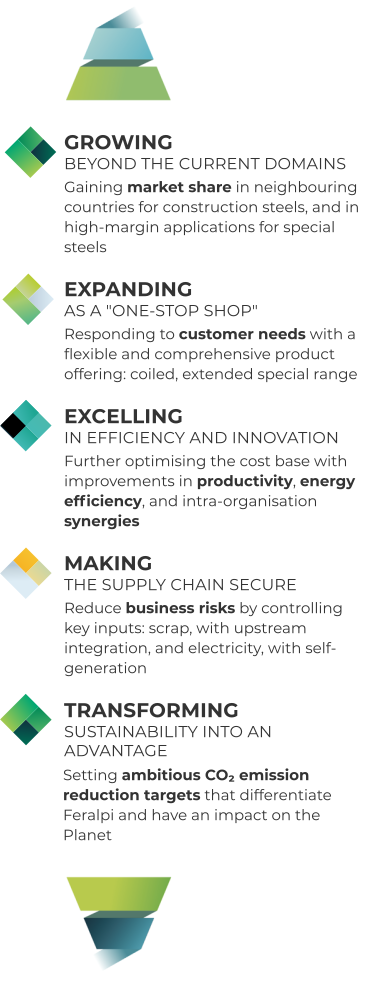
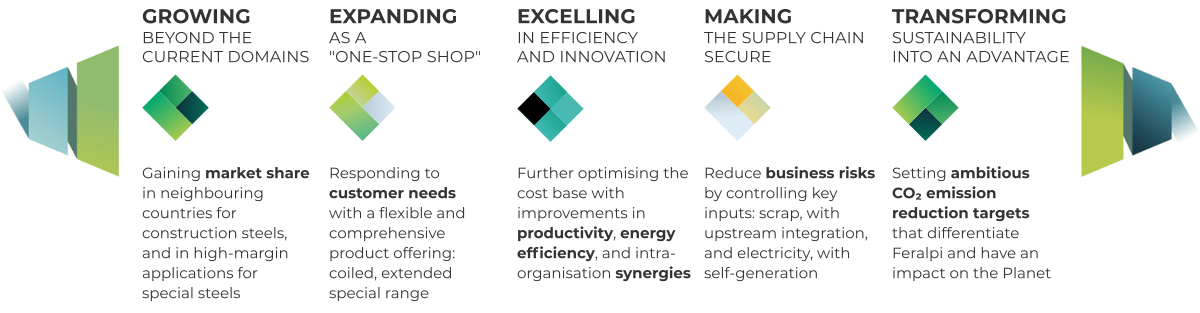
Our ESG commitments for a sustainable future

Contribute to change in the steel sector
by leveraging decarbonisation and digitalisation to strengthen our competitive advantage and reduce its environmental impact.

Ensure business continuity
by enhancing our ability to manage crises and increasing agility in organisational processes through structured and efficient management systems.

Innovate for the future of production
by investing in state-of-the-art processes and environmentally friendly technologies to ensure inclusive industrial development.

Accelerate the ecological transition
by integrating the challenges of decarbonisation and committing to a path of energy transformation towards low-impact models.

Value people and ensure security
by promoting decent work that respects the uniqueness of each person, in line with the principles of the International Labour Organisation (ILO) on employment, rights, social protection, and social dialogue.
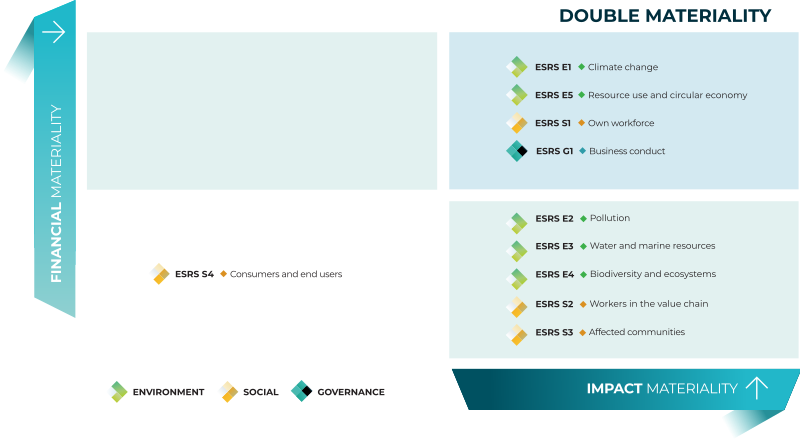
Double materiality: a voluntary choice to understand what matters
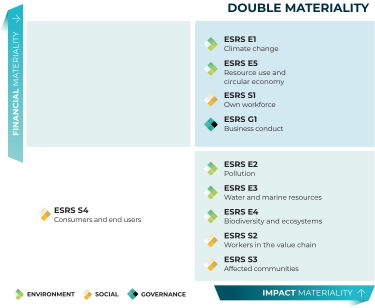
Materiality helps us understand which ESG topics actually affect the way we do business and what effects we generate on the environment, people and society.
Therefore, in 2025, we chose to voluntarily carry out a double materiality exercise, according to the ESRS standards and in line with the requirements of the CSRD, to which we will be subject from fiscal year 2027.
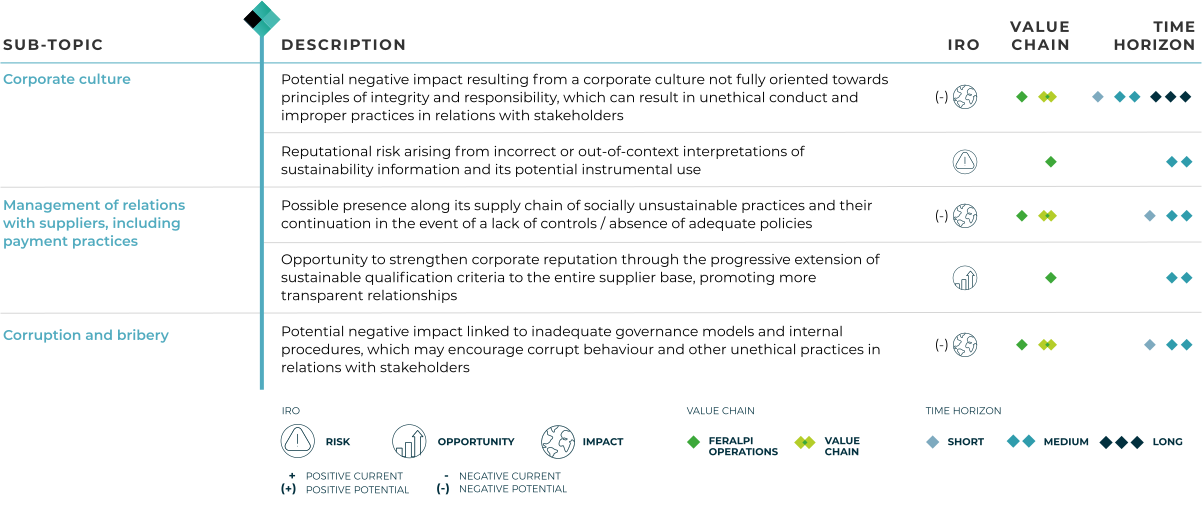
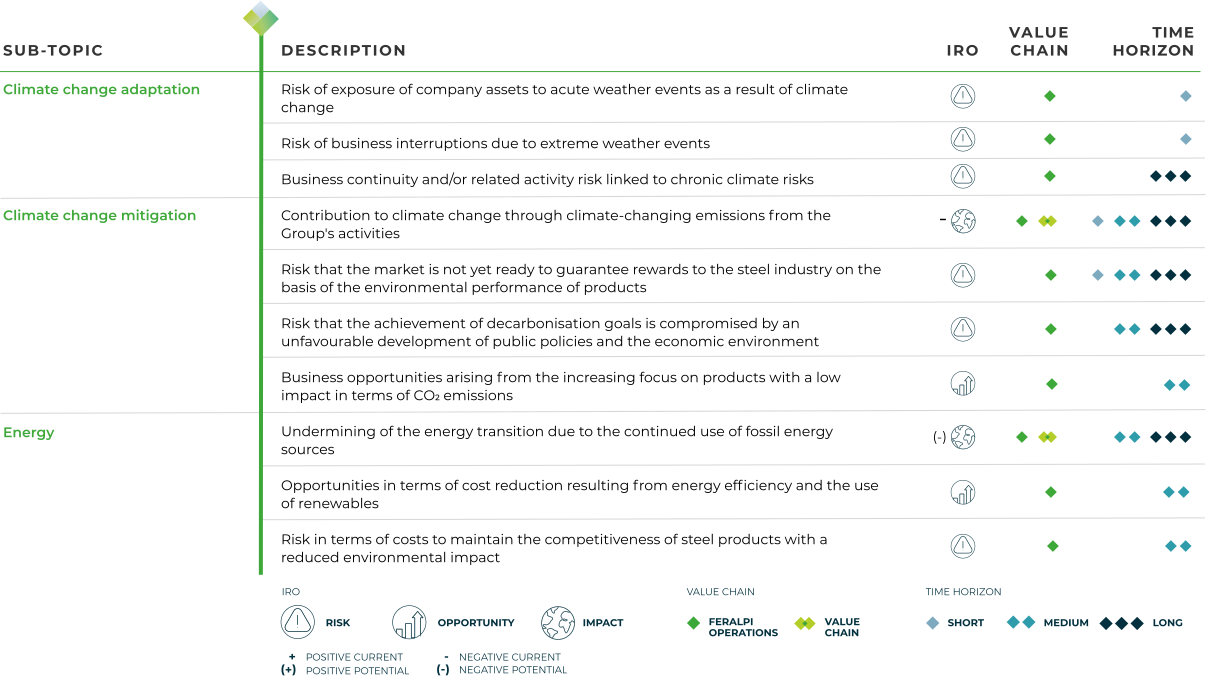
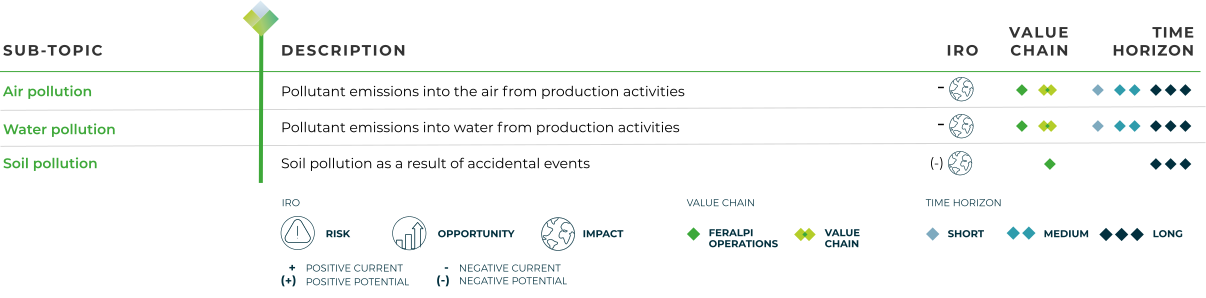
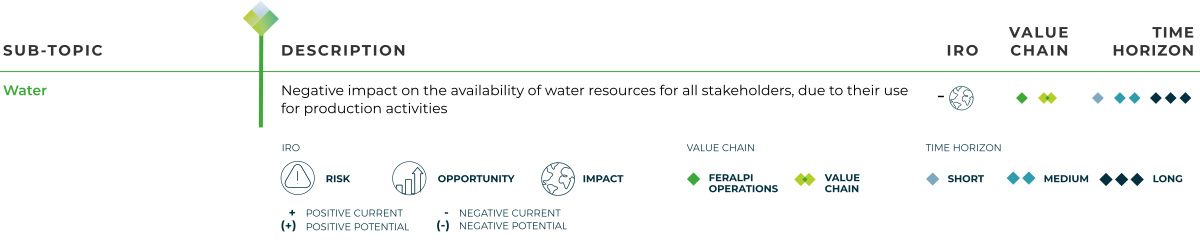
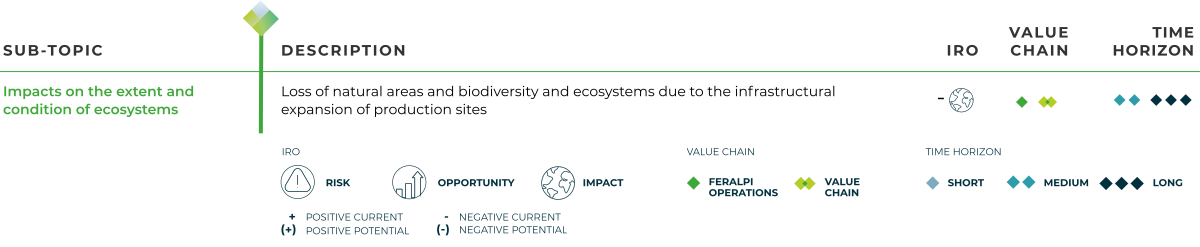
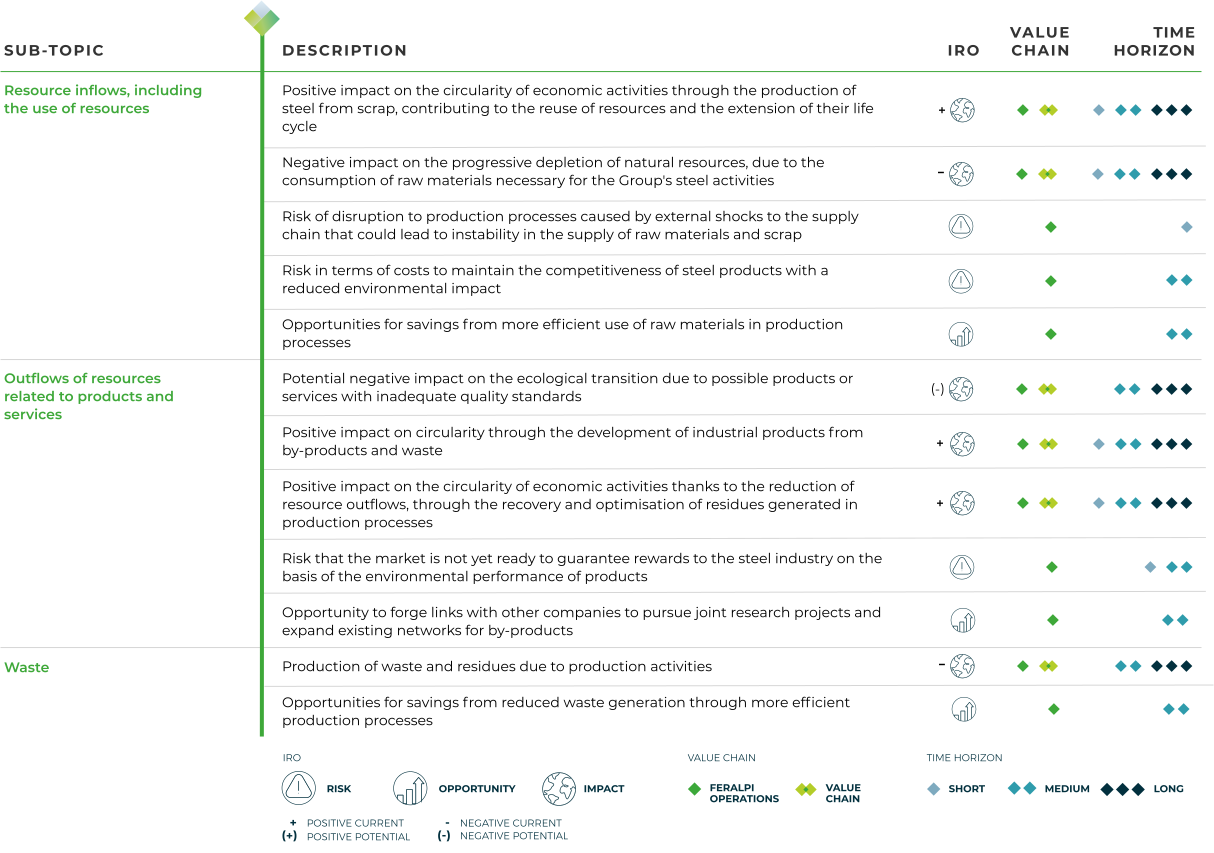
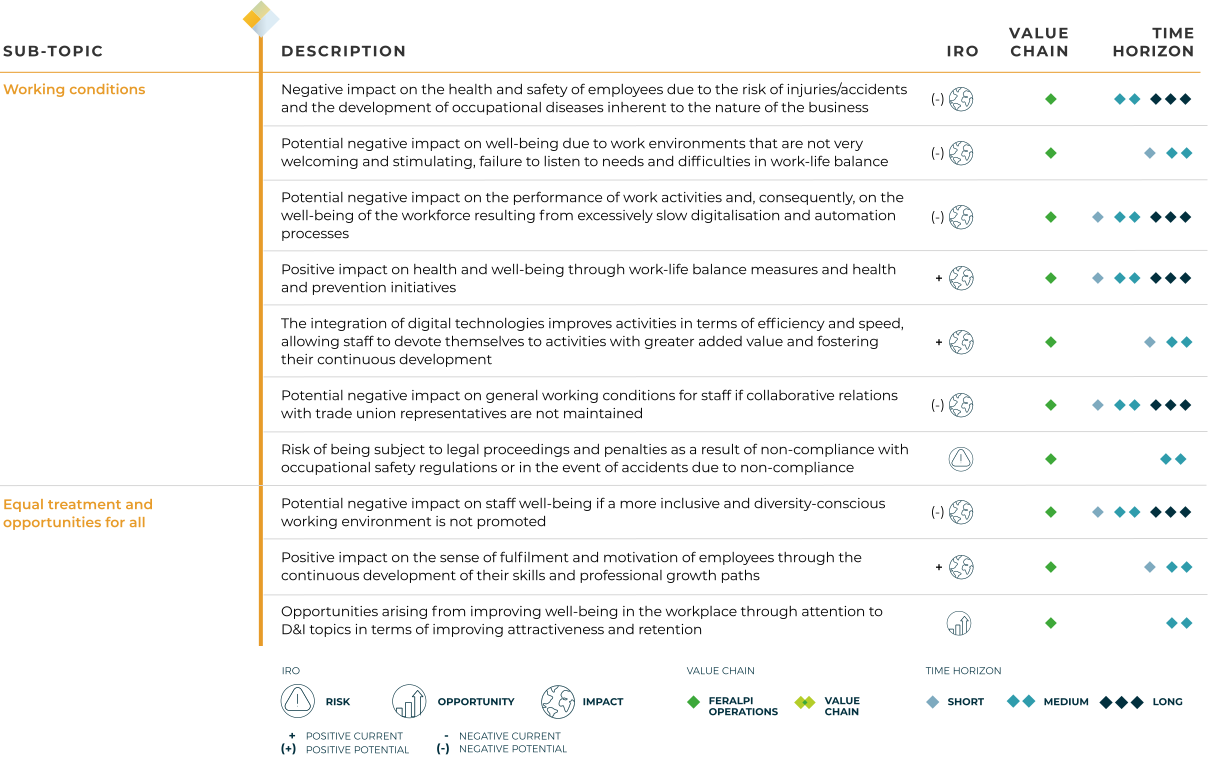
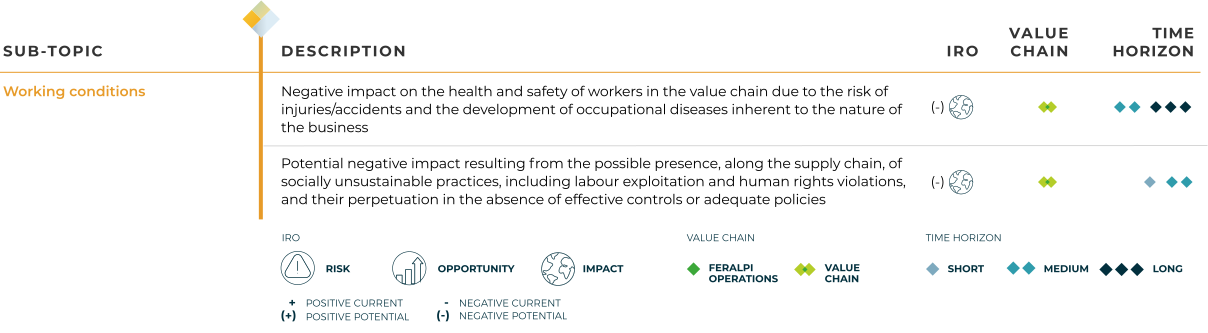
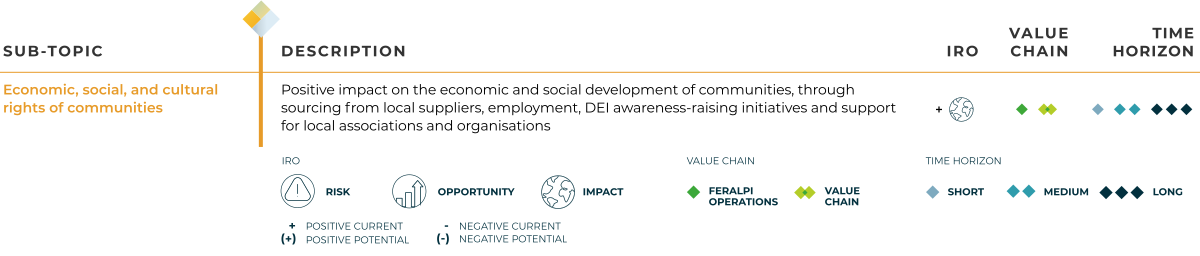
We looked at ESG topics from two perspectives: the positive and negative, current and potential impacts that our operations produce externally; and the risks and opportunities that could influence our development.
The result is a double materiality matrix that helps us better understand the value chain, guide priorities and make future decisions more robust.
The double materiality matrix
Immagine
Environmental
Immagine
Immagine
Immagine
Immagine
Immagine
Social
Immagine
Immagine
Immagine
Governance
Immagine